
25 Tips to reduce waste and preserve the environment
Previously published 6/12/2018. Updated 13/01/2026.
It is recognised that food waste is one of the biggest crimes of our time, for it is believed that food waste could feed the entire world several times, and yet millions of people on all continents go to bed without food, even in our civilised countries.
How can this be?
How can this be tolerated?
How do we all contribute to food waste?
Here is what you should know before throwing food away. Beforehand, I would like to make a point and this is to discredit and shame the likes of Monsanto (now owned by Bayer, a multi-billion dollars corporation responsible for producing the most toxic and lethal products on our planet today, which include GMOs, artificial fertilisers, but also cancer-causing pesticides, herbicides, insecticides sprays, many of which are found in your own home, and also, most importantly medicines, for both humans and pets. For the entire list of products: https://www.bayer.com/en/products-from-a-to-z.aspx)
This proves that their argument is pure propaganda in an effort to gain power ("world domination" and not in a animated-story-like crazy-ending) and, of course, money — loads of it (think trillions)— by producing and selling these products and by picking up the pieces if you ever (well, you will) get sick: they have a medicine that is just right for you!
The Trillion-Dollar Lie:
How Corporations, Chemicals, and Supermarkets Made Food Waste Humanity’s Greatest Shame
Food waste remains one of the moral and ecological disasters of our time. We produce enough food to feed the world several times over, yet millions — yes, millions — go to bed hungry every night, including in supposedly “developed” nations. So the question is not whether we can feed everyone; it’s why we don’t.
The answer, however, leads directly to boardrooms, billion-dollar marketing departments, and the deliberate deception of pesticide producers and supermarkets.
Let’s also include the puppeteers. When Bayer absorbed Monsanto, the world’s largest producer of pesticides and genetically modified seeds, many hoped the merger would lead to reform. Instead, it created one of the most powerful agricultural conglomerates in history—one that continues to profit by poisoning ecosystems while selling itself as the saviour of agriculture.
As I was looking for answers about these companies, I went directly to the source: www.bayer.com and this is what I could read straight from the home page:
This is what they had to say: “The agricultural and food industry is facing huge challenges. It has to feed a rapidly growing world population while at the same time ensuring the best-possible conservation of our scarce natural resources. Increasingly extreme weather conditions such as droughts and flooding, limited arable land and changing dietary habits make this task even more demanding.”
“For tomorrow’s agriculture, we need new approaches aimed at increasing both productivity and environmental protection.” Written in bold and larger characters after the first paragraph, words from Liam Condon, member of the board of management of Bayer and president of the crop science division.
The answer for this company is to sell their GMOs to the world and their insecticides, pesticides and herbicides — that their seeds are genetically altered to resist, which means that each plant can receive excessive amount of toxic chemicals and still survive, or die, but not before being tricked to produce more offsprings in the hope for the survival of their species. This is how Bayers goes about it:
“Farmers Need to Protect their Crops from Weeds and other Pests. Every year, as much as 40 percent of the world’s potential harvests are lost to damaging pests, including weeds. According to the Food and Agriculture Organization of the United Nations (FAO), these losses could double without pesticides and other crop protection practices. That’s why most farmers, both organic and conventional, use some type of pesticide to keep weeds and other pests from hurting their crops.”
This is terribly misleading.
It is a fact that some pesticides are allowed in Organic farming; however, they must originate from natural sources and not deadly petrochemicals. This is also another reason why I have lost faith in the new organic and would rather look for more environmental-friendly alternatives, in particular, Biodynamic farming (Demeter certified) for such farms are not allowed to work against nature. Farmers cannot use any pesticides, nor can they use antibiotics to treat (or prevent) diseases. How do they do protect their crop from bugs and stocks from diseases? The answer is simple: “The enemy of my enemy are my friends.”
Let me explain...
In conventional farming, an apple or a strawberry may be sprayed by up to 20 different chemicals (all labelled under the umbrella of pesticides) so that bugs, fungi, weed or other inconveniences do not savage the crops. Usually, the main ingredient used is Glyphosate (Round-up) or Dicamba, well-known petrochemical-derived weed-killers.
In organic farming, vegetables or fruits can be sprayed with some pesticides, but they must be from natural sources (typically copper sulphate, the biggest environmental hazard. Copper sulfate acts as a broad-spectrum pesticide, primarily as a fungicide, algaecide, and herbicide, controlling bacteria, fungi, algae, roots, and some pests like snails, but it also has insecticidal properties against mites, aphids, and caterpillars).
Both methods destroy nature in their own way, one being more deadly than the other, I may have to agree. On the other hand, biodynamic farms, if a bug is seen to damage the crops, its sworn enemy (or simply a predator) is brought up to the seen, chasing the bugs elsewhere.
“The agricultural industry must feed a growing population while preserving natural resources.”
Sounds noble. Except it’s a lie built on omission. Their solution—genetically modified crops designed to resist the very toxic chemicals Bayer sells—keeps farmers dependent on chemical inputs, soils depleted, and consumers saturated with residues. Glyphosate, Dicamba, and neonicotinoids, among others, remain in the spotlight for environmental contamination and links to human health harm, including endocrine disruption and cancer WHO, 2022; EFSA, 2023.
Under slick sustainability slogans like “Growing for the Planet” and “Advancing Together”, Bayer and similar corporations continue to greenwash their toxic portfolios. What they conceal is simple: these chemicals destroy soil microbiota, kill pollinators, contaminate rivers, and drive biodiversity collapse.
“[Without glyphosate] The organic matter content of the soil is likely to be detrimentally affected. Yields would decline again and increased ploughing would release more CO2 from the soil into the atmosphere.” Another bold statement in the middle of the page by Richard Hatherell, farmer, in the United KingdomThis bold statement is also misleading as research as shown that mass-farming (monocropping and non-rotation of fields) is at the root cause of corrosion of topsoil and the reason why our soil is so depleted from all “organic matter.” According to new research, we have 50 years or less to fix the problem or the soil will become infertile.
“There is no single approach in the crop protection fight.” Bayer’s article goes further, adding: “Farmers today have a variety of tools, including state-of-the-art pesticides, advanced data analytics, and precision technologies [GMOs]. While these tools are individually powerful, when farmers use them together, it enhances their effectiveness while minimising the environmental impact of agriculture.”
Glyphosate impact on the environment is not only the subject of thousands of research but it has been shown to be a contaminant in rivers and our water system. So the impact is well beyond that of agriculture and weeds. Drinking unfiltered water from the tap is, research shows, is as bad as eating such contaminated foods.
This is what the “Advancing together as one” article claimed: “Today’s milestone means that the two leading innovators in agriculture will now come together as one to shape agriculture through breakthrough innovation [GMOs] for the benefit of farmer, consumers and our planet.”
This is not only shocking to me but also sad. It is sad to think that either they think we are stupid enough to believe them or that we are stupid enough to wanting to believe them and buy their genetically-modified-pesticides-ridden-frankein-foods.
How could spraying deadly chemicals on a plant destined to end up on our plate be for our benefit or that of the planet?
Now this is the counter argument to such misleading and somewhat infuriating arguments:
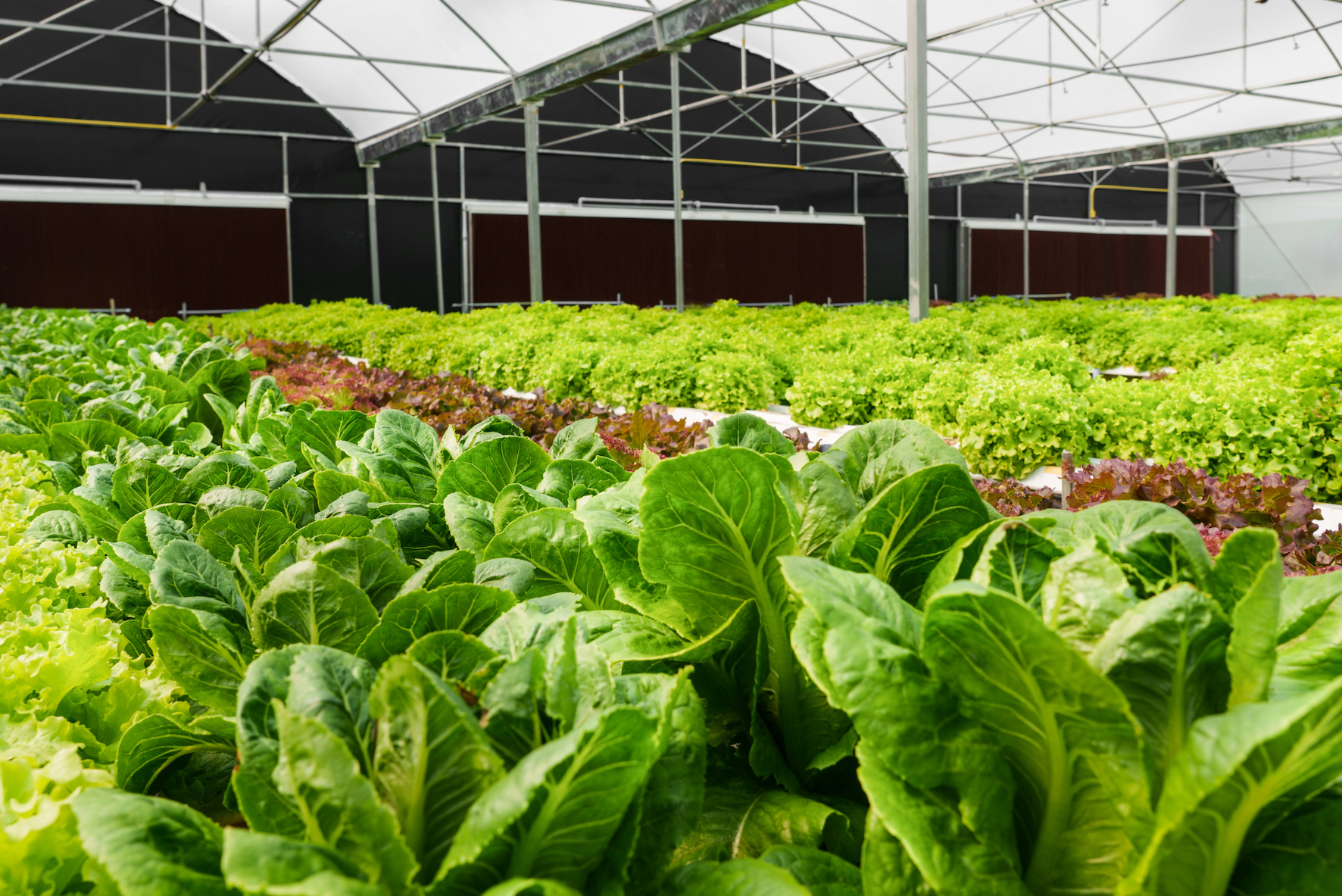
What we think food farming looks like; however, an enormous quantity of vegetables are rejected by supermarkets on cosmetics ground.
I do applaud supermarkets giving unsold food to charity, but yet, it does not relieve them of their responsibility in driving food waste. Supermarkets have created a vicious circle of offer-and-demand, using their power to force farmers to obey their rules or go bust, and to accept their pitiful buying price, leading many farmers to bankruptcy or forced to make changes in the way they work to minimise costs and, just, survive.
As always, these changes involve quantity over quality (now you understand the reasons behind the rise in GMO-crops production and why the soil is constantly abused, seasons after seasons), leading to overproduction and drops in prices.
Some of the most dramatic sources of waste are also created by supermarkets’ demand: a farm can destroy 40 tonnes of food that would otherwise be eaten, but won’t, because their produce was not pretty enough. Each year, it is estimated that farms waste up to 37,000 tonnes of produce in the UK Only. These is enough to provide 250,000 people with their recommended five-a-day for a year!
“Approximately one-third of the food we produce in the UK is never eaten. Take a minute to think about that - millions of tonnes of good food, and all the resources that go into producing it, squandered. Bonkers, isn't it?
Such profligacy is not just immoral, it's unnecessary. When I took some of the Hammonds' "reject" parsnips and offered them to High Street shoppers, they were only too happy to take them. People couldn't believe all this great food was being dumped. Supermarkets may claim that consumers will only accept ramrod-straight carrots and flawless apples. But I simply don't buy it.” Writes Hugh Fearnley-Whittingstall for the BBC, concluding: “The horrendous waste caused by retailers has to stop. And people should ask their supermarkets to make that happen.
However, we can't ask the big guns to rein it in unless we're prepared to do our bit too. And we have to face the fact that almost 50% of food wastage in the UK is domestic - the stuff we buy but don't eat. And surely we have the same responsibility as big companies not to discard perfectly edible food.
I don't believe we're deliberately wasteful. Seeing vast quantities of food needlessly destroyed would make most of us extremely uncomfortable. The problem is that we don't see it. The average UK household wastes £700 worth of food every year. But of course, it's not all at once - it's a few slices of bread here, a bag of salad there, a couple of brown bananas every week.”
So, do you still believe that GMOs and roundup are the answer to food shortage, when there is no shortage to speak of?
This is what wikipedia exposed: “The single largest producer of food waste in the United Kingdom is the domestic household. In 2007, households created 6,700,000 tonnes of food waste – accounting for 19 per cent of all municipal solid waste. Potatoes account for the largest quantity of avoidable food disposed of; 359,000 tonnes per year are thrown away, 49 per cent (177,400 tonnes) of which are untouched. Bread slices account for the second food type most disposed of (328,000 tonnes per year), and apples the third (190,000 tonnes per year). Salad is disposed of in the greatest proportion - 45 per cent of all salad purchased by weight will be thrown away uneaten. Much of the food thrown away could have been avoided (4,100,000 tonnes, 61 per cent of the total amount of food waste) and with better management could have been eaten or used. Unavoidable foods, such as vegetable peelings and tea bags, account for 19 per cent of the total, with the remaining 20 per cent being unavoidable through preferences (e.g. bread crusts) and cooking types (e.g. potato skins). However, the vast majority of consumers (90%) are unaware of the amount of food they throw away; individuals who believed that their household wasted no food were shown to be throwing away 88 kg of avoidable food per year. The amount of food waste produced by a household and its occupants is affected by several factors; WRAP found the most impacting factors to be: firstly the size of the household, followed by the age of the individual occupants and finally the household composition (e.g. single occupant household). The other factors: job status, lifestage, ethnicity and occupation grouping of individuals were found to have less correlation between the amount of avoidable waste.”
https://en.wikipedia.org/wiki/Food_waste_in_the_United_Kingdom)
These numbers are taken from 2007.
Over 10 years later, today, the number may well have more than doubled. A new study would be greatly appreciated. Now, nearly 2 decades later, the amount must be astronomic.
Must-read/websites to visit:
SEE IN DETAILS HOW SUPERMARKETS ARE DAMAGING NATURE AND ARE THE LEADING CAUSE OF FOOD WASTE IN THE ENTIRE WORLD!
BBC News
https://www.bbc.co.uk/news/magazine-34647454
The Independent
“8.4 million people in the UK are struggling to afford to eat.
This is equivalent to the entire population of London!!!”
Wasted food is estimated to cost each British household £250–£400 per year, accumulating to £15,000–£24,000 over a lifetime. This comes from the total purchasing cost of the food against what is thrown away uneaten.
Households waste about 6.7 million tons of food per year, much of which could be avoided.
A further 1.9 millions tons is wasted by the food industry, which include farmers, growers, manufacturers, and processors, but also wholesalers, retailers, and food services companies, meaning that waste reach massive proportion at any stage, from the growing to all aspects of the distribution channel according to The Waste and Resources Action Programme (WRAP. 2018).
“Households waste about 6.7 million tons of food per year.
A further 1.9 millions tons is wasted by the food industry.”
The Hypocrisy of “Feeding the World”
Corporations justify genetic modification and pesticides under the banner of “feeding the world.” But there is no global food shortage—only logistical injustice. Up to 40% of all food produced globally is wasted, while over 780 million people suffer chronic hunger (FAO, 2025).
Even Bayer’s own quoted sources (such as FAO pest-loss estimates) are misused to argue that pesticides are the only prevention of famine. Yet the irony is clear: the very companies that claim to “feed billions” are the ones profiting most from environmental collapse and malnutrition.
The True Cost of Wasting Food
Every apple tossed in the bin isn’t just wasted nourishment; it’s energy squandered, water drained, fossil fuel burned, and carbon thrown into the sky. Methane from decomposing food waste is 25 times more powerful than carbon dioxide in trapping heat. WRAP confirms that if UK households alone stopped wasting edible food, it would equate to taking one in five cars off the road.
Household waste remains significant — now at 6.4 million tonnes annually (WRAP, 2024) — but it’s embedded in a supermarket-driven consumer trap: promotions like “Buy One Get One Free” or “Value Six-Packs” that deliberately exceed realistic portions, encouraging compulsive over-purchasing.
It’s not a glitch. It’s engineered behaviour.
Also, remember that over-production keeps prices low so you can buy as much as is over-produced.
Newly restated figures from May 2018 show a waste trend that is not improving, quite far from it, depending on how we look at the new definition of “food waste”.
Total estimate for UK post-farm gate food waste (2015) remains 10.2 Million tonnes.
The baseline covers household food waste and data for the supply chain: retail, manufacture and the hospitality & food service sector.
Total household food waste is now reported as 7.1 million tonnes.
The Courtauld Commitment 2025 (C2025) Baseline:
“The C2025 baseline covers household food waste as well as data for the supply chain: retail, manufacture and the hospitality & food service sector.
The C2025 food waste prevention target is to reduce food & drink waste arising in the UK by 20% by 2025 compared to 2015, calculated as a relative reduction per head of population. Achieving the target would reduce per capita food waste from 156kg per person to 125 kg per person, resulting in 1.5 million tonnes a year less food waste arising in 2025 compared to 2015.” Explain WRAP (wrap.org.uk).
No longer food given to pets is categorised as food waste; therefore, explaining the slight drop in the figures as shown below.
250,000 tonnes of the food that goes to waste each year is still edible (WRAP), yet, according to the Food and Agriculture Organisation of the United Nations (FAO), Voices of the Hungry (fao.org, 2016), 8.4 million people in the UK are struggling to afford to eat. This is equivalent to the entire population of London! (telegraph.co.uk 2/01/2018, WRAP)
4.7 million of these people are malnourished, living in severely food-insecure homes. This means that their food intake is far from being optimum and children regularly experience physical sensations of hunger. UN figures also show that 5.6% of people aged 15 or over struggle to get enough food. A further 4.5% report that they have been a full day without anything to eat.
Sad it is that the amount of edible food wasted is equivalent to 650 millions meals!
Fruits and Vegetables top the list of most wasted food (FAO) in the UK but also the world around. Second on the list are cereals and third roots and tubers. Long-life foods such as pulses and vegetable oils are the least wasted foods.
It makes sense that the waste of fresh foods is more than dried foods, as the shelf-life of fresh produce is much-reduced while dried foods can be stored for years, even after their “best before date.”
Indeed, some of the waste is made up of things like peelings, cores and bones, but the majority is, or once was, perfectly good food, and most of it ends up in landfills where it rots and releases methane (a damaging green house gas). Throwing away food is also a huge waste of energy, but also of the water and packaging used in its production, transportation and storage. “If we all stopped wasting the food which could have been eaten, it would have the same CO2 impact as taking 1-in-4 cars off UK roads.” (recyclenow.com).
“The Government will set up a pilot scheme to reduce food waste, Environment Secretary Michael Gove has announced today. The scheme will be supported by £15 million of additional funding which has been allocated to tackle food waste.
Currently around 43,000 tonnes of surplus food is redistributed from retailers and food manufacturers every year. It is estimated a further 100,000 tonnes of food - equating to 250 million meals a year - is edible and readily available but goes uneaten. Instead, this food is currently sent away for generating energy from waste, anaerobic digestion [to create biogas to be used as fuel], or animal feed.
The pilot scheme will be developed over the coming months in collaboration with businesses and charities. The scheme will launch in 2019/20.
Environment Secretary Michael Gove said: “Nobody wants to see good food go to waste. It harms our environment, it’s bad for business – and it’s morally indefensible. Every year, around 100,000 tonnes of readily available and perfectly edible food is never eaten. This has got to change. In the coming months we will work closely with business, charities and volunteers to deliver a new scheme to tackle this problem.”
The scheme will specifically address surplus food from retail and manufacturing. This is just one part of the problem - food waste in the UK totals 10.2 million tonnes per year, of which 1.8 million tonnes comes from food manufacture, 1 million from the hospitality sector, and 260,000 from retail, with the remainder from households. Further action to cut food waste from all sources is being considered as part of Defra’s Resources and Waste Strategy, which will be published later this year.
Defra is commissioning work to improve the evidence base around food waste, including understanding why more surplus food is not being redistributed. This work will inform the design of the scheme, ensuring it drives down food waste in the most effective possible way.” (GOV.UK October 2018: https://www.gov.uk/government/news/action-to-reduce-food-waste-announced).
Surplus food is food that isn’t going to be sold — but which is still edible — in part, due to over-production, labelling errors or even short shelf-life. Surplus food occurs everywhere in the supply chain:
Farms: 100,000-500,000 tonnes
Processing and manufacturing: 52,000-160,000 tonnes
Wholesale and distribution: 80,000-120,000 tonnes
Retail: 47,000-110,000 tonnes (figures from WRAP)
Is it time we all made a change?
How to minimise and/or prevent waste?
Do not be fooled by the flashy posters
“Buy-one-get-one-free” or “buy-more-for-this-price”, especially if you know you will not eat it all. Plus, if you look closely you may even pay more if taking the deal. Some promotions, which include buy-3-for-the-price-of-2 or buy-two-for-that-much, cost more if you had taken one single item.
Do not go shopping on an empty stomach (or starving), you will only be tempted to buy way too much and of the things you do not need. Food you probably won’t even eat later.
Make a list before you go shopping and stick to it.
Sometimes, you may pass an aisle and realise you forgot something, and that’s fine. But if this happens to the point of filling your trolley, distraction is obviously an issue..Buy what you need.
The 5 kg bag of carrots may be cheaper than a bunch, but will you eat the whole bag? Are you really saving money if you waste most of it? It is clear that fresh food waste is the issue, for it is a lot more consequential than long-life and non-perishable items. I am all for stocking up at home to avoid repeated trips to the shop for staples. For example, if you use some spices more than others, buying in bulk makes sense. So, buy fresh food according to how you are going to use it.Batch cooking is another piece of advice I give in practice and as a cooking teacher, for it is cheaper, more convenient, and less time-consuming. But if you have no means to store and keep the raw ingredients or the prepared food, then there is no point in it.
Do not buy in packs.
Instead, buy loose items. This is the perfect opportunity for you to reconnect with food. Touching and using your senses is key to a healthier lifestyle. Being completely disconnected—by simply picking up a pack of apples and throwing it in your shopping trolley, thinking (or not thinking at all, which is even worse) that it grows on shop shelves—is just wrong. You cannot enjoy food this way and expect that food to make you happy and healthy, and plastic-wrapped food is most certainly not the solution.If you buy in packs because there are several of you in the household, then unpack all items upon arrival and allow the food to breathe (unless it is bagged salad). This will prevent much faster spoilage.
Buy ethical and “healthier” options.
By improving your diet and “upgrading” your food sourcing, you may realise that you pay a little more for your groceries and, therefore, are less tempted to waste food. Go for Demeter-certified (biodynamic) products; you will do a lot of good for your body, the environment, and your wallet. Plus, you will participate in fair pay for farmers and contribute to better and kinder stock control, preventing soil depletion and the poisoning of rivers, water systems, and aquatic life.Do not be mean!!!
Wonky fruits and vegetables need some love too. You cannot dismiss them or be horrified. They are not the hunchback of Notre-Dame. They are food and taste as delicious as their straight counterparts, if not better.Take your time.
If you go shopping in a rush, you will probably buy more junk than you should, simply because you had no time to register what you were buying. It is when you have time to breathe that you will realise most of the food you will not eat or waste. Make reading labels one of your favourite pastimes.Read the labels.
Make a point at reading the labels in the store and not at home, once it is too late. You may find that you are allergic to one ingredient or that you do not eat at all, or that you were not aware that such ingredient or additive, or preservative, or other non-food stuff were present in the recipe, and you may not be inclined to take another trip to the shop and explaining why you are retuning it, and instead, you bin it, untouched.Check the use by date.
If you are not going to eat some of the food straight away opt for the most extended use by date. It may be at the back of the shelf but the reward will be plenty by simply not wasting that food. Also be aware that “use by date” and “best before” are not the same. Use by date means that the produce is safe to eat before than… Best before means that the nutritional value or taste of the food may be optimal before that date. A yoghurt, for example, may still be safe to eat 3 weeks after is best before date. Use your senses to judge if the food is off or not.
Bread that is stale can be used to make breadcrumbs or delicious bread and butter puddings or even French toasts. Possibilities are endless, and obviously, there is no need for food to be wasted. In France, it is a crime to bin bread.
Dairy products (including milk and cheeses) can be frozen before they go off. Cut your cheese in portions or grate it before freezing, it will be easier to defrost only what you need.
An overripe avocado makes amazing guacamole. Add a little lemon juice and chilli powder for a lovely kick. Soft tomatoes make wonderful salsa. “Sad” tomatoes, peppers and cucumber can all be mixed together to make a fabulous gazpacho.First in last out.
When you come back from the store, always place the freshest ingredients at the back of the fridge or cupboard. This is valid for the produce you may already have on your shelves but it is the same with potatoes and other vegetables that you probably keep in a basket. Empty the basket first of the older vegetables or fruits and then place the ones you have just bought. Replace the older stock on top. This will prevent the older, bottom food to rot while the one on top still looks fresh.A Little fungus won’t kill you.
We are surrounded and live in a world of bacteria and fungi. They are even inside of us and some are “our friends” and we should not be scared of them. Antibacterial are one of the most disruptive chemical in our homes. If you see a steak with a green layer on it, then please, do throw it away as it is no longer safe to eat. But a little white fungus growing on the top of your jam, honey or maple syrup, is not as bad, and it is a sign that the produce is alive. Just use a spoon and scoop it out. The taste won’t be altered nor will you be sick by using it. Use your senses to make a decision.Watch out!
If you are cooking, you should send good vibes into the process. Bear with me. This makes sense.
Let me explain.
If you are heavily preoccupied, doing other things or stressed (or full of anger), you may not concentrate on what you are doing and you may burn food preparations, or drop the pan on the floor, leading to the waste of a complete dish. Put love and passion in cooking, even if it is cooking for yourself. Your brain expect stimulation from the food you are about to eat and joy from eating. If your emotions are in the way, they may disrupt your brain expectations and lead to a stress response, and as such not only will you have wasted your food, but it is quite likely that your body will be unable to digest and even assimilate the key nutrients from that food.Be kind.
Give extra produce or unwanted food to food banks. Many apps allows you to give-away unwanted foods (opened or not) to your neighbours or people in your borough.Place your bottles and jars upside down.
Wasting a tablespoon (or more) at the bottom of a bottle and throwing it away adds up to a full bottle pretty quickly, especially if you buy these items very often.Wash it out.
As soon as you unpack your groceries, divide the fresh stuff from the long-life. Store away the non-perishables and fill your sink with water and a little bicarbonate. Dip your fruits and vegs for at least 20 minutes, then rinse and pat dry, if necessary. By doing so you can check food for blemish and make a point at eating them first. You will also remove some of the agents that may spoil food faster, although it is not necessary to do so for root vegetables such as potatoes and carrots, as you will peel them, and it would be a waste of water. By also keeping an eye on the food stored in your home you are able to see what food may go off and eat it before it does. A dirty fridge or storage space may lead to food spoilage and unwanted waste, so make sure to clean them regularly/often.Do not fall for the marketing campaign.
Try a new product first before buying in bulk, as you — or everyone in your household — may not like it.Pack your food carefully.
Not only suppliers and supermarket shelf-fillers are throwing food in and out of trucks, in shop’s baskets or on shelves, and it is quite understandable (to some extent) because it is their job (a bit like baggage handlers at airports) and they are completely disconnected from what they are actually doing. A bit like going to the doctor, waiting 45 minutes and 5 minutes in the consultation you are given a prescription with your doctor asking only a couple of generic questions, and nothing to do with your food intake or lifestyle choices. You were a number, a patient, and no longer a human being. So when it is your turn to handle the food you will eventually eat, place it carefully in your shopping trolley. Then pack it neatly in your bags, placing the heavy stuff at the bottom and the fragile on top. If you are driving, tie the bags so that the food won’t spill out and move around at every corner.Do not waste on purpose.
Taking off the crust from a slice of bread makes no sense. Perhaps, the crust is not the issue, but the bread. Then buy real bread instead of sliced bread (which is also packed with so many unpronounceable (non-food) ingredients). Go for a sourdough bread and you will only be too happy to eat the crispy crust. Use a peeler to peel a potato instead of a knife, so that you do not waste as much. Buy organic or biodynamic fruits and you won't need to peel them at all (soak them in water with a little bicarbonate beforehand). Plus, you won’t loose the most nutritious parts of these fruits and vegetables, situated right below the skin, where also some of the worse pesticides tends to accumulate in mass-farming.Compost as much as you can.
Most households in the UK have a back garden or have a compost bin for collection by councils, so there is no excuse not to compost leftovers or uneaten food. If you live in a residence and there is no alternatives, contact your council and ask for the location of the nearest composting plant. It may be closer than you think. Local and communal gardens would be only too pleased to receive compostable foods. Check with your council or social media platforms for communal garden addresses. Recycle your tea bags, not by throwing the bag itself (most often than not made of plastic) but by emptying the content directly in your composting bin.Label correctly.
How many times have you opened your freezer and looked at some of the content and had not a clue what it was, so you kept it there hoping that by some divine intervention you will remember, but the moment never came and you just thrown it away because you have kept if for far too long? Label your food, especially meal preparations as clearly as possible. The same applies for food placed in the fridge. If they do not have a date (e.g. you have removed the packaging), write the date you bought the produce somewhere visible, and date any homemade preparations. You may not forget you have a piece of cooked salmon in your fridge but you may forget about a sauce, a dressing, a soup, custard leftover from a party or sides from the Sunday roast…
Also make sure to keep an eye on your fridge temperature. A fully-stocked fridge requires a much lower temperature setting than a nearly empty fridge. Food should ideally be stored at a temperature between 1-4˚c (more info: https://www.lovefoodhatewaste.com/article/chill-fridge-out). If the back of your fridge tends to accumulate ice, then do not push any food against it, as it will freeze. Instead, place drinks and other items that may not be damaged by ice build up.
Ice collecting at the back of your fridge is either an indication that your appliance is not energy-efficient (or a much older model without anti-freeze function) or that the door remains open for too long or that it is never quite shut properly.Say what?
You never eat leftovers. Well, it is time to change habits that have no sane reasoning. This attitude is one of the main causes of household food waste and is, in no way, acceptable. Rich or poor, leftovers always taste better the next day, and these are EDIBLE FOODS, no matter how you put it. If you are grimacing right now, you know what I am talking about. Go on, a fork at a time. Yesterday’s meal is not going to kill you. Designate a visible space in your fridge for leftovers, so you always see them and they don’t get pushed to the back and forgotten after a few days. You can also freeze your leftovers if you do not want to make two consecutive meals out of it or create a new recipe using your leftovers (https://www.lovefoodhatewaste.com)Make it real.
if you really want to know how much food you are wasting. Try to keep a log of the food you have purchased, cooked, and binned for about a month. That way you are able to pinpoint the best way to tackle waste and in which areas you need to cut back on.Volunteer, support or donate to charities and food banks.
This could help you see how much food would otherwise be wasted and how some charities are making a stand in the fight against food waste. Being considerate but also involved is the best cure against waste. Do not only give money if it is an excuse to waste food and lift up the guilt that comes from wasting. Find a FoodCycle project in your areas (https://www.foodcycle.org.uk/who-we-are/locations/?location)Measure your portions.
Only cook what you need and portion accordingly. There is no point cooking a lot if you are cooking for a single meals and wasting the rest. If you are baking, follow the recipe as told. This will take away the guesswork and favour a better result. If you have failed to reproduce the recipe, look for a new inventive way to use your creation (unless cremated, of course). Think Eaton mess or other dessert of the sort. It should look messy so do not worry too much if it is not the 3-layer cake you planned on doing. If you insist on baking another cake, keep the damage goods to make the trifle the next day.
The Moral and Ecological Revolution Starts in the Kitchen
Reducing food waste isn’t only about money, it’s rebellion against the system. Every mindful act of consumption breaks the commercial chain of manipulation keeping both farmers and consumers enslaved.
Real solutions today:
Support local regenerative farms instead of supermarket “organics.”
Choose Demeter or small-scale community-supported agriculture (CSA) over greenwashing labels.
Buy only what you need, store intelligently, compost scraps, and stop falling for “deals.”
Relearn the art of cooking and using leftovers—where flavour, thrift, and sustainability coexist.
When you treat food with respect, you reclaim power from corporations that profit from your disconnection.
A final word:
Since petrol prices rocketed to absurd levels, the price of foods (and any other consumer things, including disproportionates rent and house prices) has followed the same trend; however, the price of a barrel has fallen sharply (not so long ago — at the date of publication in 2018), and yet food prices are still on the rise, and it cost more and more to buy the same food, than let's say a year ago, way more than five years ago indeed.
It is because of inflation one may say...
Well, in part. Sure. But food is one of the things in life we cannot live without and everyone must make a living, especially in our capitalism-governed society, and we, the consumers, are here to pay the price.
Considering how much more you have to pay to fill up your basket, are you really sure you want to continue on wasting food, therefore, your money?
Also, it may be useful to remember that by wasting food you are also discarding a lot of nutrition.
Since, malnutrition is back in the Western World, not only because of a restricted access to food but mainly because of inappropriate dieting, especially amongst the health-conscious community, perhaps, it is now the time to re-evaluate our priorities.