
How to Wash Fresh Fruits and Vegetables
Previously published 16/3/2019
While many experts in the field, nutritionists, health coaches, and functional medicine doctors, advocate organic farming in well‑rehearsed unison, it may not be the full answer in a modern world where money and greed often reign.
Small farmers, it seems, genuinely care for their land. It is, after all, their livelihood, their choice, the fruit of their sweat and tears, and a source of great pride.
Large‑scale farms and shareholder‑run companies, on the other hand, tend to prioritise profit above all else. Some of the land they “manage” spans hundreds of acres, especially in the US, where it can take an aeroplane to spray pesticides or even to “make rain” by releasing problematic substances such as hydrogen, sodium or potassium chloride, or silver iodide, or other toxic chemicals and heavy metals, into the sky, a process known as cloud seeding.[1]
Silver is considered one of the more toxic heavy metals, particularly to microorganisms and fish, as shown decades ago.[2] While it is often assumed to pose little risk to humans at typical exposure levels, there is limited research on its long‑term effects. The greater concern lies in the additional organic compounds in this chemical “cocktail”, which may pose further, poorly understood health risks.
Ironically, we are largely spared artificial rain in the UK. Farmers here face the opposite challenge: fungal and bacterial overgrowth fuelled by constant dampness and years of mild weather. Unsurprisingly, farmers on both sides of the Atlantic have been driven to find ways — chemical or otherwise — to protect crop yields and maintain their livelihoods.
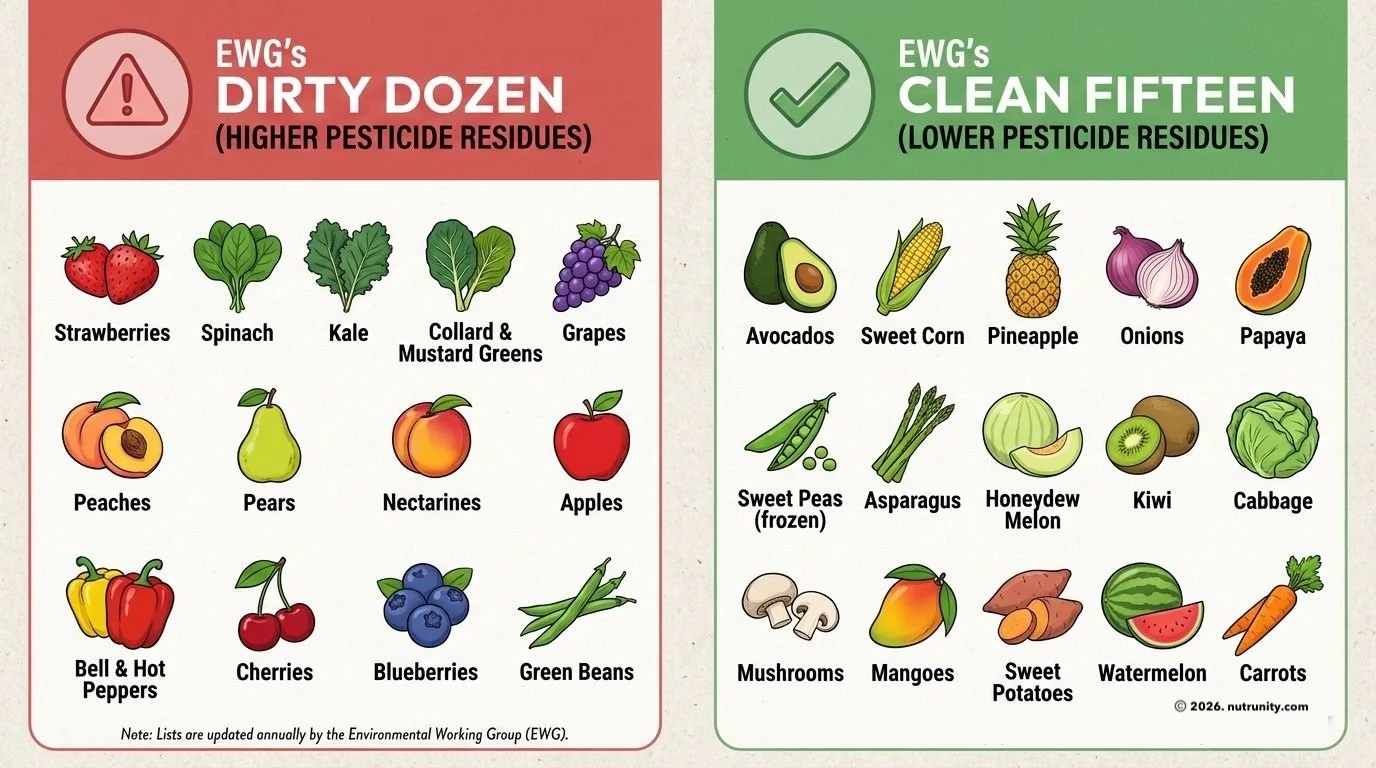
It is estimated that around 900 different pesticides, herbicides, insecticides, fungicides and related substances are used in conventional farming.[3] An apple, for example, can be sprayed with dozens of chemicals over the course of its growth. Removing these residues takes more than a quick polish on your T‑shirt. You may wipe away visible dust and dirt, but peeling is often the only truly effective way to reduce surface residues, and even then, many chemicals can penetrate the fruit's skin.
Debunking — and exposing — facts about pesticides in organic farming
With increased media coverage, pesticides have become a growing concern—and for good reason. We are potentially exposed to residues of hundreds of compounds every time we bite into an apple or another piece of produce. It is now clear that very little food is completely free from pesticides. Less obvious, however, is that even organic produce can contain residues, not only from cross‑contamination with nearby conventional fields.
PAN UK explains:
“Most people assume that no pesticides are used in organic farming, but, in fact, a limited range of pesticides are permitted. However, it is important to note that organic farming takes a completely different approach to the use of pesticides compared to conventional farming. Most of the pesticides approved for use in organic agriculture are from natural origins, such as beeswax, plant oils and pheromones. Pesticides are also not routinely applied. Permission has to be sought for their use and will only be granted if it can be proven that all other alternatives have been unable to contain the problem. As a result they are used in much lower quantities. In the EU there are currently 491 approved active substances EU Pesticides Database approved for use as pesticides, of these only 28 are approved for use in organic agriculture.”
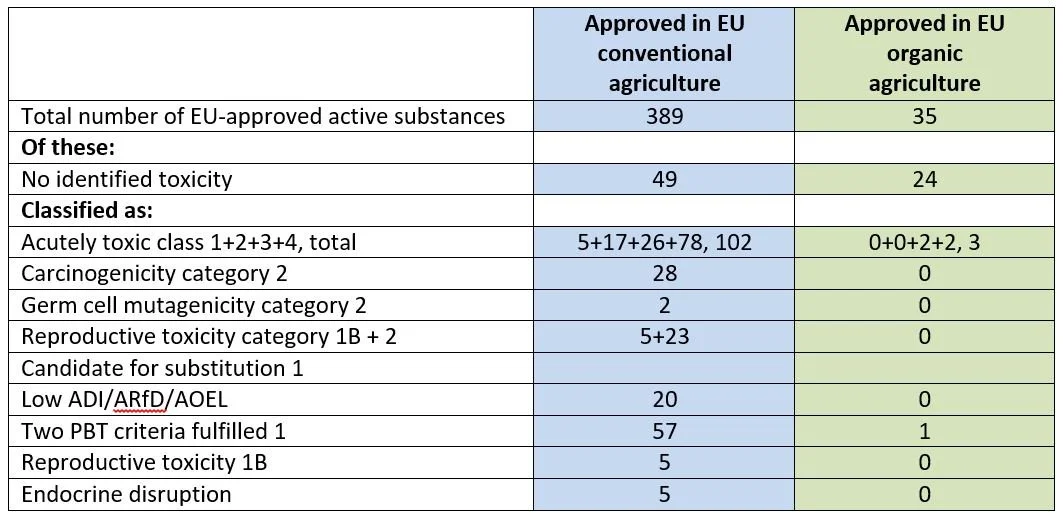
"In 2015, over 17,800 tonnes of pesticides were used on British farms to kill weeds, insects and control crop diseases. Many pesticides don’t just kill the target pest. They can affect other wildlife and the environment by either direct poisoning, contaminating water courses or disrupting ecosystems," echoes the Soil Association, adding: "Many people don’t realise almost 300 pesticides can be routinely used in non-organic farming and these are often present in non-organic food despite washing and cooking. [...] Organic farmers are permitted to use just 20 pesticides, derived from natural ingredients including citronella and clove oil, but only under very restricted circumstances."
This all sounds reassuring on paper and does make organic produce a safer choice than conventionally grown fruits and vegetables, but it is still far from the full truth.
Out of the roughly 900 approved pesticide active substances in the US and 490 in the EU (including herbicides, insecticides, fungicides and more), around 35 (not the 20 sometimes quoted) may be used in organic farming, according to Pesticide Action Network and the Soil Association (2017). It is often emphasised that these are usually of natural origin; however, at least three of them remain acutely toxic, including pyrethrins and copper compounds. Copper oxide is considered the most toxic of them all and is shown to accumulate and damage the environment.
This is very pertinent and is also the subject of my upcoming book: Heavy Metal Detox. A Naturopath's Guide to Cellular Health, Brain Health and Longevity. (scheduled for October 2026. Click the link below to be the first to be notified)
There is currently no comprehensive public data on the trace levels of the full “cocktail” of chemicals that may end up on organic food. By contrast, residues are detected on around 60% of conventionally farmed produce. It is also claimed by organic advocacy organisations that, if all farms converted to organic methods, the total volume of pesticides sprayed would fall by approximately 98%—an important and meaningful reduction, but in my view, still not enough, especially when we consider pollinators such as bees.
This is one of the reasons I place greater trust in biodynamic farming (Demeter‑certified). These farms operate as closely as possible in tune with natural cycles and completely ban inputs that could significantly harm the wider ecosystem, including herbicides, insecticides, synthetic pesticides and fungicides, as well as growth hormones, routine antibiotics, and similar interventions in animal husbandry.
TO WASH OR NOT TO WASH (FRUITS AND VEGETABLES)?
Washing the fruits and vegetables we buy is essential, not only to reduce the risk of food‑borne illness, but also to substantially lower our exposure to pesticides. Most people simply rinse their produce under cold running water. It might not look like much, but this simple step can actually remove residues of multiple pesticides, according to scientists at the Connecticut Agricultural Experiment Station.
Some people go further and use bleach or bleach‑based tablets, which, to me, defeats the purpose. There is already chlorine (bleach) in most tap water, and research suggests that using a diluted bleach solution is no more effective than washing with plain running water. In many hotels, restaurants, and salad processing plants, much stronger chlorine solutions are used, often dozens of times more concentrated than those in your local swimming pool, which is hardly reassuring from a health perspective.
Others add salt to a soaking bath (for example, 10 g per 100 ml water) and leave produce to sit for a while.
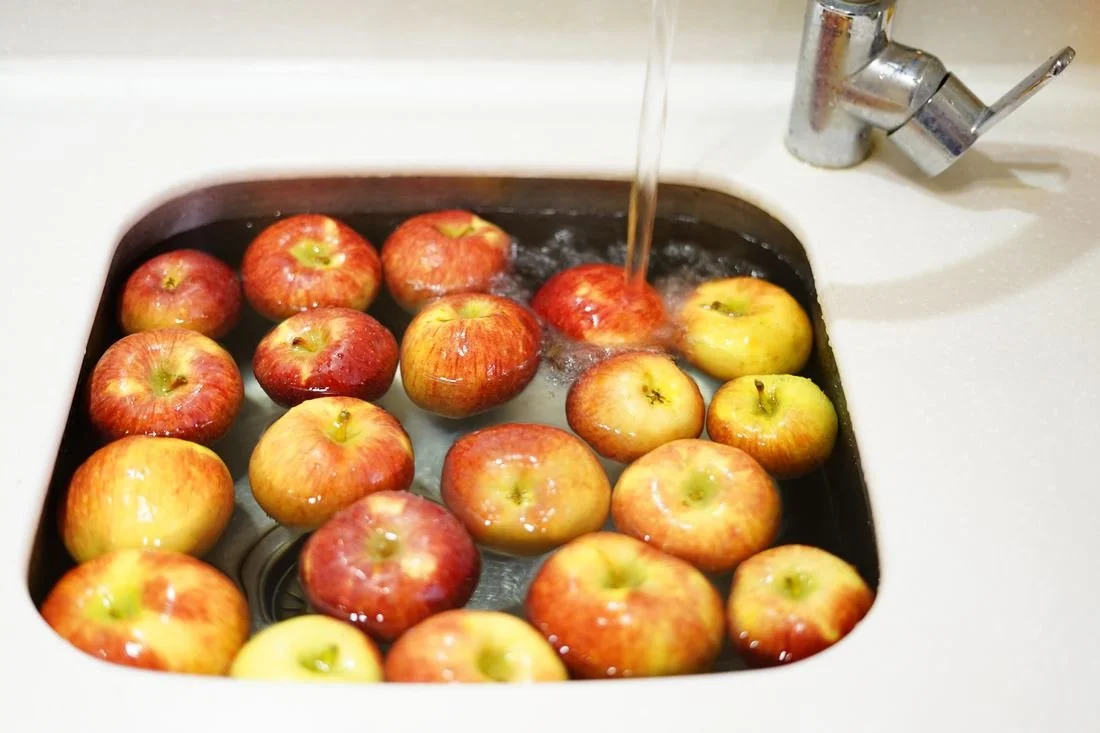
Personally, I soak my fruits and vegetables, almost on autopilot. As soon as I get home, I unpack the crates, fill the sink with cold water, add about 100 ml of vinegar, and soak everything for around 20 minutes before rinsing and draining. I say “any” vinegar because, in practice, it makes little difference whether I use organic apple cider vinegar with the mother, a basic white wine vinegar or a more affordable option. Vinegar’s main active component is acetic acid, and, like alcohol, it helps reduce microbial load and evaporates fairly quickly, leaving minimal residual smell or taste. Studies suggest that vinegar can be as effective as a salt solution for cleaning produce.
I have, however, changed how I wash fresh produce after researching for this article. Recent work has highlighted one of our most humble kitchen staples: sodium bicarbonate (often confused with baking powder, though they’re not identical). A simple bicarbonate of soda solution has been shown to be highly effective at removing many pesticides from the surface of fruits and vegetables. It is not a miracle powder. Sodium bicarbonate cannot reach residues that have penetrated beyond the skin. Peeling remains the only way to remove all surface residues, but again, this comes at a cost, as many bioactive compounds, including vitamins and antioxidants, are concentrated in or just under the skin.[5]
My current recommendation: dissolve 1 tablespoon of sodium bicarbonate in half a sink of cold, fresh tap water. Add your fruits or vegetables and let them soak for 15–20 minutes. Then drain and pat dry with a clean kitchen towel or kitchen paper. For salad leaves, leafy greens and smaller items (smooth‑skinned fruits like apples, nectarines, cherries, grapes, peas, etc.), a salad spinner is ideal for spin‑drying after soaking.
It is generally not necessary to soak root vegetables such as potatoes and sweet potatoes, as they are not stored in the fridge and are usually peeled before cooking. If they arrive with soil on them or are sold with soil, simply brush them clean and store them in a cool, dark place.
Mushrooms and berries, however, should never be soaked. Rinse berries briefly under cold running water in a sieve immediately before eating, and clean mushrooms with a soft vegetable brush or a quick wipe with a damp cloth. Prolonged contact with water increases moisture levels, which accelerates spoilage and encourages mould growth.
Most importantly: do not panic. This is not something that should cause you stress.
Eating plenty of fresh fruits and vegetables remains one of the best things you can do for your health. The goal here is not to frighten you, but to give you practical information so you can make more conscious, confident choices.
Main culprits
Glyphosate (herbicide):
Manufactured by Monsanto (now owned by Bayer) and used in products such as Roundup, this widely used weed killer has been linked to cancer and endocrine disruption (read my Winter Edition Newsletter 2013).
Dicamba (herbicide):
Dicamba is a synthetic herbicide, like glyphosate, widely used in large‑scale agriculture, especially on genetically engineered soy, maize and cotton in North America and other western regions. It rose sharply in use with the introduction of dicamba‑tolerant GMO crops, allowing farmers to spray over the top of fields; however, its high volatility means it can vaporise after application and drift far beyond the target area, damaging neighbouring crops, trees and wild plants and sparking thousands of complaints and lawsuits from affected farmers. Regulators such as the US EPA have repeatedly tightened and reissued dicamba registrations with buffer zones and temperature limits, yet courts have also vacated approvals after concluding that environmental damage had been underestimated.
Since weed species are becoming resistant to glyphosate, all hopes now lie with Dicamba, even though it is extremely toxic and known to contaminate water systems many miles away from the fields it was sprayed.
Organophosphates (insecticides):
a common class of insecticides sprayed on produce. Chlorpyrifos, for example, has been associated with damage to the developing brains of children.
A large body of evidence suggests that pesticide exposure contributes to higher rates of chronic disease, including:
Cancer and diabetes
Neurodegenerative diseases such as Parkinson’s, Alzheimer’s and ALS
Birth defects and reproductive disorders
Asthma, COPD and other respiratory conditions
These are very real risks for people regularly exposed to pesticides. Many of the most severe cases occur in agricultural workers who handle or inhale pesticides as part of their job. Unsurprisingly, a growing backlash has emerged: numerous lawsuits have been brought by workers exposed to very high doses on a daily basis, following spikes in serious illness and shortened lifespan.
Pregnant women and children should keep exposure to chemical residues—including pesticides—as low as possible, and ideally eat a diet made exclusively of Demeter-certified or organic produce. Children are at higher risk of toxicity from pesticides and other residues than adults, partly because the developing brain is more vulnerable to neurotoxins and because the dose per kilogram of body weight is typically higher.
Children whose mothers were exposed to high levels of pesticides have been found to have lower IQs[6] compared with those whose mothers had the lowest levels of exposure, and children exposed to pesticides are at increased risk of a range of chronic issues, including learning and behavioural difficulties such as ADHD.[7]
References
Cooper, CF. Jolly, WC. (1970). Ecological effects of silver iodide and other weather modification agents: A review. Water Resources Research. 6 (1), pp. 88–98.
http://non-gmoreport.com/articles/debunking-alternate-facts-pesticides-organic
http://www.pan-uk.org/faq-items/organic-fruit-vegetables-grown-without-pesticides
Yang, T. Doherty, J. Bin Zhao, B. et al. (2017). Effectiveness of Commercial and Homemade Washing Agents in Removing Pesticide Residues on and in Apples. Journal of Agricultural and Food Chemistry. 65 (44), pp. 9744–9752.